
2026-09-16 · Michael Murphy
Reducing Heating and Cooling Costs in Older Dearborn Homes
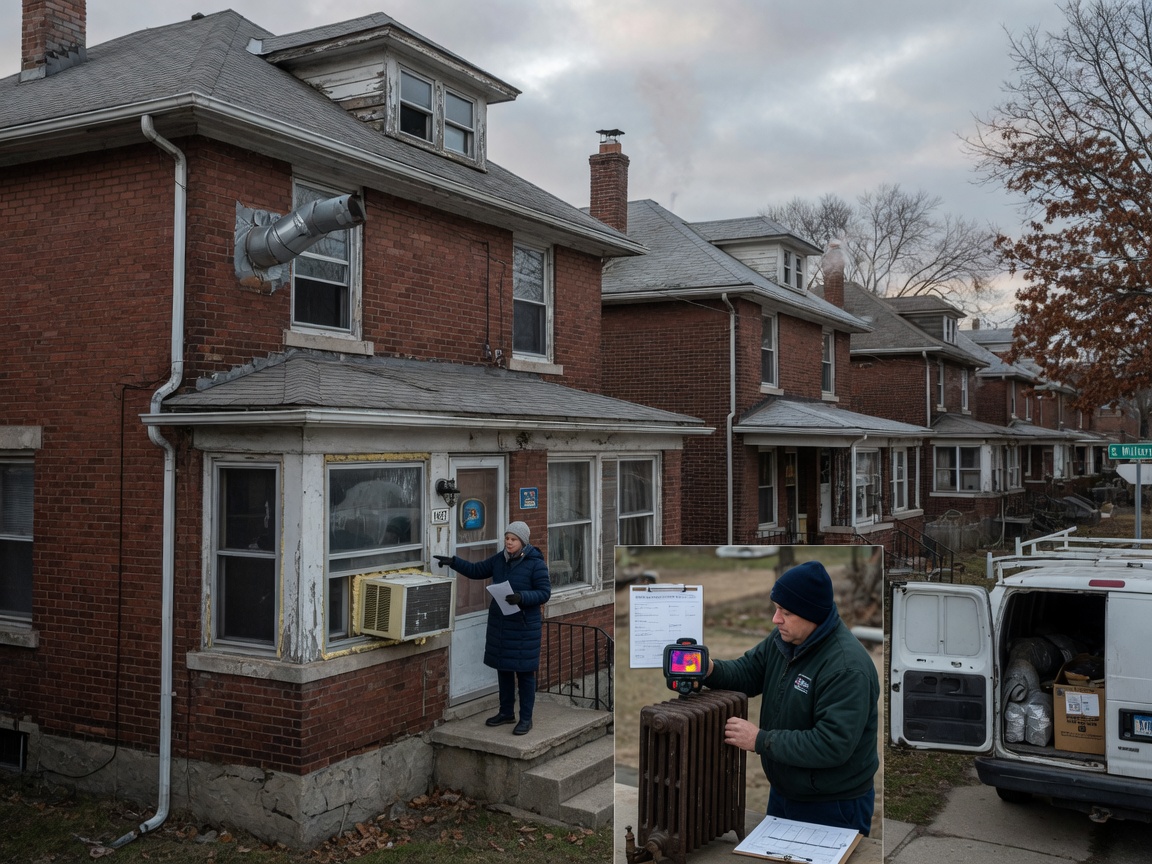
Older Dearborn homes can reduce annual heating and cooling costs by 15-25% through targeted sealing of ducts, improved humidity control, and consistent system maintenance rather than full replacements. These gains come from addressing the single-wall construction and gravity furnaces common in neighborhoods built before 1960.
Sealing Ducts and Addressing Air Leaks in Older Stock
Homes in Fordson and West Dearborn often retain original duct runs that leak 20-30% of conditioned air into unconditioned basements or attics. Walk through each room and feel for drafts around floor registers during winter operation; mark spots where cold air enters. In East Dearborn properties near the Arab American National Museum, tree cover can trap moisture against siding, accelerating duct corrosion at joints. Use mastic sealant on accessible seams and add insulation wrap rated R-6 or higher around runs in crawl spaces. These steps reduce furnace runtime by several hours each cold week when temperatures drop below freezing. HVAC duct cleaning removes accumulated debris that forces fans to work harder after sealing work is complete.
Controlling Summer Humidity in Dearborn's Warm Season
Warm, humid air from the nearby Detroit area increases latent load on cooling equipment in older homes lacking modern vapor barriers. Residents in Taylor-adjacent sections of East Dearborn notice indoor humidity staying above 55% even with the AC running, which drives up electricity use. Install a whole-house dehumidifier tied to the existing duct system or set the thermostat fan to circulate air for 5-10 minutes after each cooling cycle. Check condensate drains monthly because standing water in humid conditions promotes mold that restricts airflow. Pair these habits with AC maintenance visits that include coil cleaning to restore rated efficiency. Why Dearborn humidity affects summer cooling explains how local weather patterns change equipment sizing needs in pre-war housing.
Preparing Furnaces for Cold Snowy Winters
Wayne County winters bring repeated freeze-thaw cycles that stress older heat exchangers and flue pipes in Dearborn homes. Schedule heating maintenance before the first hard freeze to verify limit switches and clean burners, preventing short cycling that wastes fuel. In Fordson neighborhoods where many homes still use 80% AFUE units, adding a programmable thermostat set back 7-8 degrees overnight cuts gas consumption without sacrificing comfort. Inspect chimney caps after heavy snow events because ice dams can force exhaust back into living spaces. Preparing your furnace for Dearborn winters outlines filter changes and vent checks that keep systems running through January cold snaps. These routines extend equipment life and avoid emergency calls during peak demand.
Evaluating AC Replacement Timing for Cost Control
When an older Dearborn cooling unit reaches 12-15 years, repair frequency and energy use often exceed the cost of AC replacement & installation. Track summer utility bills against square footage; a 20% year-over-year increase signals declining SEER performance common in homes without updated insulation. In East Dearborn properties near Greenfield Village, road salt from winter plowing accelerates corrosion on outdoor coils, shortening service life. Obtain itemized load calculations before deciding on new equipment so capacity matches the actual envelope rather than oversized legacy units. Proper sizing prevents short cycling and maintains dehumidification during July humidity spikes. This evaluation approach keeps operating costs predictable across multiple seasons.